
· 3 min read
Recruitment from Sri Lanka, Nepal and India. How and on what terms non-EU nationals can be hired. Romania imports labour from Asian countries
Archive article. The information and situations described reflect the time of publication.
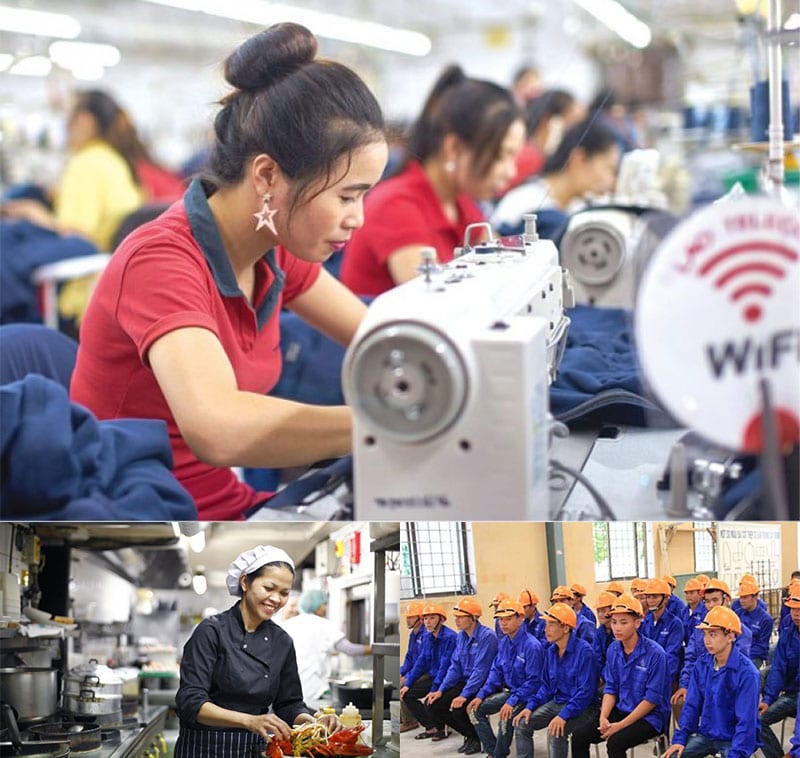
Companies in Romania have begun to consider bringing in employees from non-EU countries to provide the workforce in sectors where staff are short and the work risks being interrupted, according to Smartree, a leader in the HR process outsourcing market. On the other hand, the high costs of international hiring, together with the relatively long time it takes to close a project, are the most significant disadvantages, according to News.ro.
Most foreign employees come from the Philippines, Nepal, Vietnam, India, Indonesia and Thailand, countries where the standard of living is below that of Romania.
"The disadvantages also include cultural and language differences; integrating foreign employees into a new culture; a long hiring cycle, starting with the paperwork and the procedures needed to obtain the approvals of state institutions; the international recruitment process; and the volatility of the workforce brought in," the analysis shows.
There are advantages, however, for countries where a very large foreign population lives and works. They gradually become multicultural, cosmopolitan centres, with a wide range of newly formed skills that can contribute to the progress of society through innovation and creativity.
"Globalisation has encouraged migration, and with it the import of cheaper labour. It is a common practice, true both of large countries such as the United States of America, where the Latin American population is predominant in certain sectors, and of smaller countries such as Romania. Within 50 years, importing labour will become a necessity, compounded by negative demographic trends in Romania. Even so, immigration is an extremely sensitive and politicised issue, especially in the current context, when some states are asking themselves whether, in this race to win cheap labour for jobs the local population refuses, they risk losing their national identity," said Raluca Penes, HR Coordinator at Smartree.
To hire foreign workers, Romanian employers have to go through several stages: obtaining the work permit, a long-stay visa and the right of residence on Romanian territory, and the issue of a residence permit for work or for posting.
The work permit is issued by the General Inspectorate for Immigration, through its territorial units, and the company applying for it has to meet certain conditions, among them having no debts to the state budget for the quarter preceding the application, and the annual quota for newly admitted categories of worker not having been used up.
The benefits package for a foreign employee can include the flight to Romania, shared accommodation and, in some cases, transport from the accommodation to the workplace and a flight home after a set period. Foreign workers may also be given meals and a cook from the region they come from. To help them settle in, employers can provide the group with a representative who speaks an international language.
Source: Digi 24 (https://www.digi24.ro)
The next step starts with a conversation
Do you need staff?
Request staff